

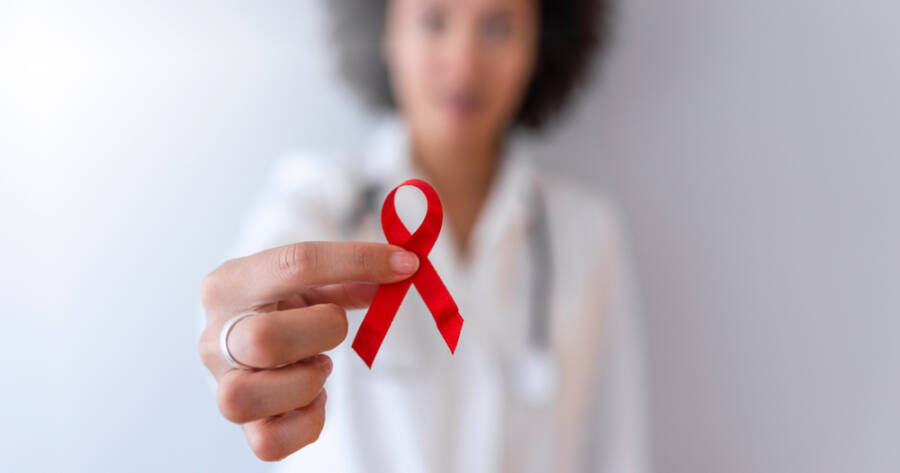
HIV, a virus that compromises the immune system, presents significant health challenges but can be managed with effective treatment. Understanding its transmission, symptoms, and prevention is crucial for reducing stigma and promoting health equity. Understand the stages of HIV, treatment options, and the social implications that shape the fight against the global epidemic.
Understanding HIV: Causes and Transmission
HIV, or Human Immunodeficiency Virus, is a virus that attacks the immune system, specifically targeting CD4 cells, which are crucial for fighting infections. Without treatment, HIV can progress to AIDS, the most advanced stage of HIV infection, characterized by a severely weakened immune system and increased susceptibility to opportunistic infections (source).
HIV is primarily spread through unprotected sexual contact, sharing needles, and from mother to child during childbirth or breastfeeding. It is important to note that HIV cannot be transmitted through casual contact, such as hugging or sharing utensils (source).
Symptoms and Stages of HIV
The symptoms of HIV vary depending on the stage of infection. Early symptoms may resemble flu-like symptoms, such as fever and fatigue, but some individuals may not experience symptoms initially. As the infection progresses, individuals may experience more severe symptoms, including rapid weight loss, extreme fatigue, and recurrent infections.
Without treatment, HIV can progress to AIDS, marked by severe immune system damage and increased vulnerability to opportunistic infections (source). The progression of HIV without treatment typically follows three stages: acute HIV infection, chronic HIV infection, and AIDS (source).
Treatment and Management of HIV
Antiretroviral therapy (ART) is the primary treatment for HIV, involving a combination of medicines taken daily or as injections every two weeks to six months (source). While ART does not cure HIV, it significantly reduces the viral load in the blood, helping individuals with HIV live long, healthy lives and reducing the risk of transmission. ART helps reduce the viral load to undetectable levels, preventing the progression to AIDS and reducing the risk of transmission (source).
Prevention Strategies for HIV
Prevention strategies for HIV include using condoms correctly, never sharing needles, and using pre-exposure prophylaxis (PrEP) and post-exposure prophylaxis (PEP). PrEP involves taking HIV medicines before potential exposure, while PEP is taken within 72 hours after exposure to prevent infection (source). People with HIV can prevent transmission by maintaining an undetectable viral load through effective treatment (source).
Social and Health Implications
Social stigmas and barriers to healthcare access continue to affect certain populations disproportionately, including gay and bisexual men, Black and Hispanic communities, and those who exchange sex for money. Addressing these barriers is essential for effective prevention and treatment (source). The World Health Organization’s (WHO) global strategies aim to end the HIV epidemic by 2030, focusing on reaching the most affected populations and addressing health inequities (source).
Why You Should Learn More About HIV Today
Understanding HIV is crucial for both prevention and management of the virus. With effective treatment and prevention strategies, individuals with HIV can lead long, healthy lives. However, social stigmas and barriers to healthcare access continue to pose challenges.
By learning more about HIV, individuals can contribute to reducing stigma, supporting those affected, and promoting public health initiatives aimed at ending the HIV epidemic. Staying informed about the latest developments in HIV treatment and prevention can empower individuals to make informed decisions about their health and the health of their communities.