

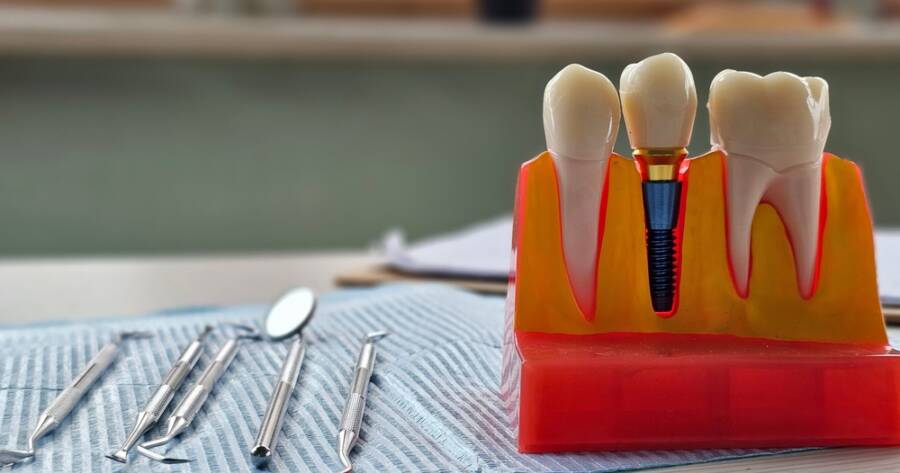
Dental implants have revolutionized oral care by offering a durable, aesthetic alternative to dentures and bridges, with a wildly high success rate in the United States. Different types, including endosteal and zygomatic, cater to various needs. Comprehensive consultations can ensure personalized solutions, enhancing functionality and life quality through tailored options in dental restoration.
Understanding Your Dental Implant Options
The evolution of dental care has made dental implants a popular choice for individuals seeking a durable and natural alternative to traditional dentures or bridges. Dental implants not only improve aesthetics but also significantly enhance oral health by supporting adjacent teeth and preventing bone loss, thus improving functionality and quality of life.
The success rate for dental implants in the United States is impressively high at about 98%, reflecting their reliability and effectiveness.
Types of Dental Implants
When selecting a dental implant, understanding the different types available is crucial. Each type of implant offers distinct benefits and potential drawbacks, and consulting with a professional can help determine the most suitable option based on individual needs.
The four primary types of implants include endosteal, subperiosteal, zygomatic, and mini dental implants. Endosteal implants are the most common, requiring adequate jawbone density for stability and a natural feel. However, for individuals with insufficient jawbone, subperiosteal implants offer an alternative without the need for bone grafting, though they are considered less stable due to their over-the-jaw placement.
Advanced Implant Solutions
For patients dealing with significant bone loss, zygomatic implants provide a solution by using the cheekbone for anchorage. This procedure is more complex, but it eliminates the necessity for bone augmentation and suits severe cases. Another option, mini dental implants, offer a less invasive and cost-effective approach; however, their smaller size might not support all dental needs.
Advances like the All-on-4 (Teeth in a Day) method allow for a complete set of teeth to be affixed using four to six strategically placed implants, enabling immediate functionality and a natural appearance within a single day. This approach offers a streamlined process for full-mouth restoration.
Choosing the Right Implant for You
Determining the appropriate dental implant depends on several factors, including the number of teeth needing replacement, oral health conditions, and personal preferences. Single tooth implants serve well for replacing individual teeth, providing a natural look and feel. For multiple missing teeth, a multi-tooth titanium implant bridge might be ideal as it anchors a custom bridge for improved functionality and appearance.
The Consultation Process
A comprehensive consultation with a skilled dentist is essential for choosing the right dental implant. The consultation involves assessing the patient’s oral health, jawbone condition, and personal preferences.
Depending on these assessments, a dentist can advise whether bone augmentation is required for implants like the endosteal type or if alternatives like subperiosteal or mini implants are appropriate based on jawbone support availability. Personalized recommendations are crucial for achieving the best outcomes in dental restoration.
Why You Should Learn More About Dental Implants Today
Exploring dental implants offers significant benefits for those facing tooth loss, emphasizing the importance of selecting the appropriate implant type to fulfill individual needs. As dental technology advances, so do the possibilities for achieving a more vibrant, stable, and natural smile. Dental implants provide not only solutions for aesthetic enhancement but also crucial support for oral health.
With a variety of options tailored to specific needs—from single tooth replacements to complete mouth restorations—dental professionals can assist patients in making informed decisions that lead to improved quality of life. Embracing this opportunity for dental restoration is key to enjoying a durable and confidence-boosting smile overall.